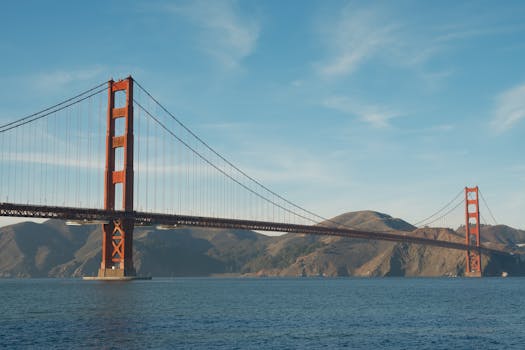
San Francisco is world-renowned for its vibrant, progressive, and ever-evolving art scene. From the Gold Rush era to the digital age, the city’s creative spirit has been continually redefined by diverse influences. Among the most significant contributors to this cultural tapestry are Jewish artists, who have left indelible marks on San Francisco’s galleries, public spaces, and artistic institutions. Through their unique perspectives, innovative works, and community activism, Jewish artists have both mirrored and shaped the city’s evolving identity. This article explores the profound impact of Jewish artists on San Francisco’s art scene, highlighting key figures, movements, and cultural milestones that have defined their legacy.
Early Roots: Jewish Artists in San Francisco’s Formative Years
The story of Jewish artists in San Francisco begins in the mid-19th century, when waves of Jewish immigrants arrived during and after the Gold Rush. Many of these newcomers found a home in the city’s bustling cultural life, quickly integrating into its artistic circles. By the late 1800s, San Francisco’s Jewish population had reached approximately 16,000, making it one of the largest Jewish communities in the western United States.
Artists like Theodore Wores, who was of Hungarian-Jewish descent, contributed to the early development of the city’s art scene. Wores became known for his vibrant landscapes and portraits, and his work was exhibited in key institutions such as the San Francisco Art Association, which later evolved into the San Francisco Art Institute.
Jewish philanthropists also played a crucial role in supporting early art initiatives. For example, Judah L. Magnes, later the first president of the Hebrew University of Jerusalem, was deeply involved in the Bay Area’s intellectual and artistic circles. Their support helped establish art schools, galleries, and public spaces that would nurture future generations of artists.
Modernism and Cultural Innovation: 20th Century Trailblazers
The 20th century marked a period of dynamic cultural innovation in San Francisco, with Jewish artists at the forefront of several key movements. As the city became a magnet for avant-garde experimentation, Jewish creatives brought new ideas and sensibilities that broke with tradition.
One of the most influential figures was painter and muralist Bernard Zakheim. A Polish-Jewish immigrant, Zakheim arrived in San Francisco in the 1920s and quickly became a central figure in the city’s art world. His large-scale murals, such as those in the Coit Tower (painted in 1934 as part of the Works Progress Administration project), depicted the struggles of working-class San Franciscans and reflected Zakheim’s commitment to social justice—a theme resonant with his Jewish heritage.
Another pivotal artist was Ruth Asawa, whose husband Albert Lanier was Jewish. Asawa’s ethereal wire sculptures and public art installations became emblematic of San Francisco’s mid-century modernist movement. Her work, displayed in venues like the de Young Museum and in public spaces across the city, challenged conventional notions of sculpture and accessibility.
Jewish artists were also instrumental in the Beat Generation, a literary and artistic movement that flourished in North Beach in the 1950s. Figures like poet Allen Ginsberg, though primarily associated with New York, spent formative time in San Francisco and collaborated with local artists, fostering a cross-pollination of ideas and mediums.
Institutional Leadership and Artistic Advocacy
Beyond individual achievements, Jewish artists and leaders have played an outsized role in shaping San Francisco’s artistic institutions. Their advocacy for arts education, community engagement, and public funding has been pivotal in sustaining the city’s creative ecosystem.
In 1984, the founding of the Contemporary Jewish Museum (CJM) in San Francisco marked a significant milestone. Designed by renowned architect Daniel Libeskind (himself of Polish-Jewish descent), the museum quickly became a cultural landmark. The CJM hosts exhibitions that explore Jewish identity through contemporary art, serving as a bridge between the Jewish community and the broader public.
Jewish curators, gallerists, and collectors have also had a profound impact. For example, Eli Leon, a Jewish collector and scholar, amassed one of the most significant collections of African American quilts in the United States, many of which have been exhibited in San Francisco museums. Their efforts have ensured that underrepresented voices are included in the city’s cultural conversation.
Cross-Cultural Collaboration and Social Justice
San Francisco’s ethos of inclusivity and activism has long resonated with Jewish artists, many of whom have viewed art as a vehicle for social change. Throughout the 20th and 21st centuries, Jewish creators have partnered with other marginalized communities to fight for civil rights, gender equality, and LGBTQ rights.
One notable example is the work of artist and activist Judy Chicago (born Judith Cohen), whose iconic installation “The Dinner Party” was partially shown in San Francisco before finding its permanent home in New York. Chicago’s feminist art collective worked closely with Bay Area artists to address issues of gender and representation.
In the 1980s and 1990s, Jewish artists were active in the local response to the AIDS crisis. Painter Jerome Caja, who was raised Catholic but worked closely with Jewish galleries and nonprofits, created provocative works that challenged social stigma and advocated for compassion and understanding.
The intersection of Jewish and LGBTQ identities is particularly visible in San Francisco, home to the largest LGBTQ community per capita in North America. Artists like Deborah Kass, known for her vibrant pop-art portraits, have used their platforms to explore themes of identity, sexuality, and belonging, contributing to city-wide initiatives like the annual Pride Art Walk.
Contemporary Voices and New Frontiers
Today, San Francisco’s art scene continues to benefit from the creativity and vision of Jewish artists. From digital art collectives to public mural projects, their influence remains strong and multifaceted.
Artists such as Jenny Odell, whose Jewish heritage informs her ecological and conceptual works, are gaining national recognition. Odell’s acclaimed book “How to Do Nothing: Resisting the Attention Economy” (2019) was inspired by her experiences in Bay Area parks and public spaces, reflecting a broader tradition of Jewish artists engaging with the environment and urban life.
San Francisco galleries such as the Catharine Clark Gallery and the Contemporary Jewish Museum regularly showcase works by emerging and established Jewish artists, ensuring that their contributions remain visible and celebrated.
According to a 2023 report by the San Francisco Arts Commission, approximately 14% of exhibited artists in major city galleries identified as Jewish, highlighting their ongoing prominence in the cultural landscape.
| Period | Key Jewish Artists | Major Contributions |
|---|---|---|
| Late 1800s–Early 1900s | Theodore Wores, Judah L. Magnes | Founding art institutions, landscape painting, philanthropy |
| 1920s–1950s | Bernard Zakheim, Ruth Asawa (via family) | Murals (Coit Tower), sculpture, modernist movements |
| 1950s–1970s | Allen Ginsberg, Judy Chicago | Beat Generation, feminist art, cross-genre collaboration |
| 1980s–Present | Jerome Caja, Deborah Kass, Jenny Odell | AIDS activism, LGBTQ advocacy, digital and contemporary art |
Public Art and Urban Identity
San Francisco’s streets, parks, and public spaces serve as living canvases for Jewish artists’ bold visions. The city’s commitment to public art has provided Jewish creators with unique opportunities to engage broad audiences and leave a lasting imprint.
Bernard Zakheim’s murals remain some of the most admired public artworks in the city, with his Coit Tower frescoes attracting more than 200,000 visitors annually. Other prominent Jewish artists, such as Mark di Suvero, have contributed large-scale sculptures to the city’s parks and waterfronts.
The city’s Percent for Art Program, established in 1969, has funded over 300 public art projects, with Jewish artists consistently represented among grant recipients. These projects range from mosaic installations at public schools to interactive light sculptures along Market Street.
This tradition of public engagement continues today as new generations of Jewish artists experiment with augmented reality, environmental art, and community-driven projects. Their works not only beautify the city but also spark dialogue about identity, history, and the future of urban life.
Conclusion: A Lasting Legacy and Dynamic Future
The influence of Jewish artists on San Francisco’s art scene is both deep-rooted and ever-evolving. From early pioneers who helped establish the city’s first art institutions to contemporary innovators shaping the digital frontier, Jewish artists have continually pushed boundaries, challenged norms, and fostered community.
Their contributions reflect a broader story of resilience, creativity, and social engagement—a story that resonates with the spirit of San Francisco itself. As the city continues to reinvent itself, Jewish artists will undoubtedly remain at the heart of its creative pulse, inspiring new generations to imagine, create, and connect.