San Francisco’s vibrant Jewish community is renowned for its dynamic blend of tradition and innovation. Amid the city’s hills and diverse neighborhoods, Jewish festivals are celebrated with both reverence for ancient customs and a modern, inclusive spirit. From centuries-old religious observances to contemporary cultural gatherings, these festivals are woven into the fabric of San Francisco’s multicultural landscape. This article explores how Jewish festivals are celebrated in San Francisco, highlighting their traditional roots, modern adaptations, community involvement, and the unique ways they shape the city’s cultural identity.
The Heartbeat of Jewish Life: Major Festivals in San Francisco
Jewish festivals punctuate the calendar year, each with its own rituals, foods, and meanings. In San Francisco, these holidays are not just private affairs but are often transformed into citywide celebrations that welcome Jews and non-Jews alike.
The three most widely celebrated Jewish festivals in San Francisco are Passover (Pesach), Hanukkah, and Rosh Hashanah/Yom Kippur (the High Holy Days). For example, in 2023, over 10,000 people attended public Hanukkah celebrations throughout the Bay Area, making it the largest Hanukkah turnout on the West Coast.
Passover seders are held in private homes and at public venues like the Contemporary Jewish Museum and the Jewish Community Center of San Francisco (JCCSF). These community seders often feature guest speakers, music, and interactive activities for families.
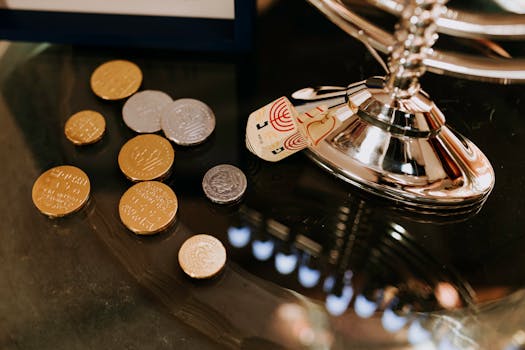
Hanukkah is marked by grand menorah lightings in iconic locations such as Union Square and Ghirardelli Square. In 2022, the Bill Graham Menorah Project celebrated its 48th annual lighting, attracting thousands and featuring live music and family-friendly festivities.
The High Holy Days bring together congregations in historic synagogues, parks, and even beaches. In 2021, an estimated 3,500 people participated in outdoor Tashlich ceremonies (a ritual of casting away sins into water) at Crissy Field and Ocean Beach, reflecting the city’s embrace of open-air spirituality during the pandemic.
Tradition Meets Innovation: Modern Twists on Ancient Customs
San Francisco’s Jewish community is known for infusing traditional festivals with creative, contemporary elements while honoring sacred rituals.
One striking example is the “Eco Seder,” organized by local synagogues and environmental groups. Here, the traditional Passover meal is reimagined to highlight sustainability, featuring locally sourced foods and discussions about environmental justice. In 2023, Temple Emanu-El’s Eco Seder drew over 200 attendees, sparking citywide conversations about climate action as a Jewish value.
Hanukkah celebrations have evolved to include not just menorah lightings but also “Latke Throwdowns” (culinary competitions among local chefs), public concerts, and even menorah-building workshops using recycled materials. Chabad SF’s “Glow in the Dark” Hanukkah party in 2022 featured interactive art installations and drew over 800 participants.
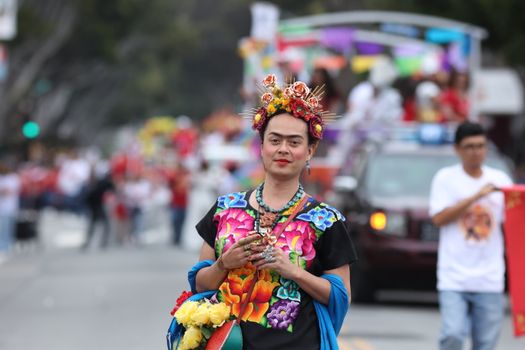
Purim, traditionally celebrated with costumes and carnivals, has found new expression in drag shows, street parades, and charity events supporting local causes. In 2023, the Purim Ball at the JCCSF raised over $50,000 for youth programs, showcasing the community’s commitment to social impact alongside celebration.
Community and Inclusion: Welcoming All to the Table
One hallmark of Jewish festivals in San Francisco is their commitment to inclusivity. The city’s Jewish organizations strive to make every celebration accessible, relevant, and welcoming to people of all backgrounds—Jewish or not.
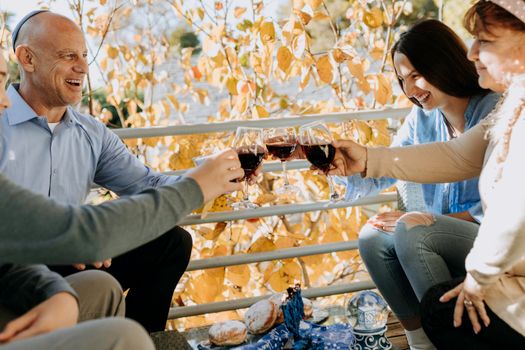
Interfaith seders, LGBTQ+ Hanukkah parties, and family-friendly Shabbat picnics are just a few examples. The Jewish Community Relations Council (JCRC) and Keshet (a national LGBTQ+ Jewish organization with a strong San Francisco presence) partner on events that celebrate diversity within Judaism and across faiths.
San Francisco’s Jewish festivals also embrace the city’s multicultural identity. For example, the annual “Shalom on the Row” Hanukkah event in the Mission District features music from local Latinx and African American artists, kosher soul food, and educational booths about the shared values among different faith traditions.
In 2022, nearly 40% of attendees at public Jewish holiday events in San Francisco identified as non-Jewish, according to a survey by the Jewish Federation of San Francisco. This reflects the city’s open, pluralistic character and the Jewish community’s outreach to neighbors and newcomers.
Celebrating in the City: Key Venues and Public Spaces
San Francisco’s Jewish festivals are not confined to synagogues; they spill into public parks, museums, and iconic city landmarks, inviting broad participation and visibility.
The Contemporary Jewish Museum (CJM) in Yerba Buena Gardens is a hub for holiday programming. Its “Hanukkah at the CJM” event includes candle lighting, music performances, and art workshops for children. In 2023, more than 1,200 families participated in the museum’s Passover family day.
Union Square hosts the city’s largest public menorah, a tradition since 1975. The Bill Graham Menorah Lighting attracts thousands and is broadcast across multiple media channels, symbolizing Jewish pride in the city center.
Golden Gate Park and Crissy Field are popular venues for outdoor High Holiday services and Sukkot festivals, where temporary huts (sukkahs) are constructed and open to all. In 2022, the JCCSF’s “Sukkot in the Park” welcomed over 600 participants for picnics, music, and storytelling.
Comparing San Francisco’s Jewish Festivals: Tradition vs. Modernity
To better understand how tradition and modernity coexist in San Francisco’s Jewish festival scene, the following table compares key aspects of several major holidays as celebrated locally:
| Festival | Traditional Observance | Modern San Francisco Expression | Estimated Annual Attendance (2023) |
|---|---|---|---|
| Passover | Home seders, reading Haggadah, eating matzah | Eco Seders, interfaith seders, art-driven events | 3,500+ |
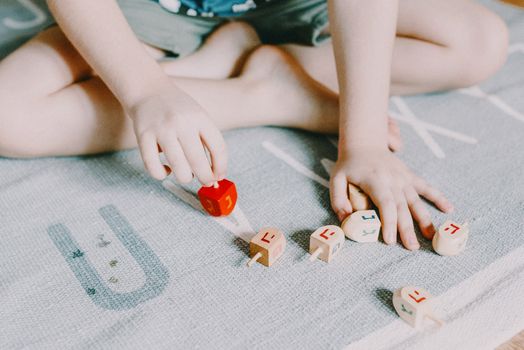
| Hanukkah | Menorah lighting, latkes, dreidel games | Public menorah lightings, concerts, chef competitions | 10,000+ |
| Purim | Costumes, reading Megillah, charity (matanot la’evyonim) | Drag shows, street parades, themed charity balls | 2,000+ |
| Sukkot | Building a sukkah, meals in the sukkah, waving lulav & etrog | Public park sukkahs, music festivals, eco-themed gatherings | 1,200+ |
| High Holy Days | Synagogue services, fasting, Tashlich | Outdoor services, beach Tashlich, inclusive meditation sessions | 5,000+ |
Education and Storytelling: Passing Down Traditions
Education is a cornerstone of Jewish festivals, and San Francisco’s institutions go to great lengths to make rituals meaningful for all ages. Jewish day schools, such as Brandeis Marin and the Lisa Kampner Hebrew Academy, integrate hands-on holiday learning with citywide field trips.
The Contemporary Jewish Museum curates interactive exhibits on Jewish holidays, such as the “Light and Legacy” Hanukkah installation, which drew 8,500 visitors in December 2023. Workshops on challah baking, matzah making, or crafting Purim masks are regular features at the JCCSF and local synagogues.
Storytelling is another powerful tool. The Bay Area Jewish Storytelling Festival, held annually since 1991, brings together storytellers from diverse backgrounds to share holiday tales, fostering cross-generational connection and cultural pride.
Conclusion: A Living Tapestry of Tradition and Change
Jewish festivals in San Francisco are much more than religious rituals—they are dynamic public events that reflect the city’s spirit of innovation, inclusivity, and community engagement. Whether through eco-conscious seders, public menorah lightings in Union Square, or multicultural music in the Mission District, these celebrations honor ancient traditions while adapting them for modern times. San Francisco’s Jewish festivals invite everyone—locals, visitors, Jewish and non-Jewish alike—to share in the joy, meaning, and unity these holidays inspire.